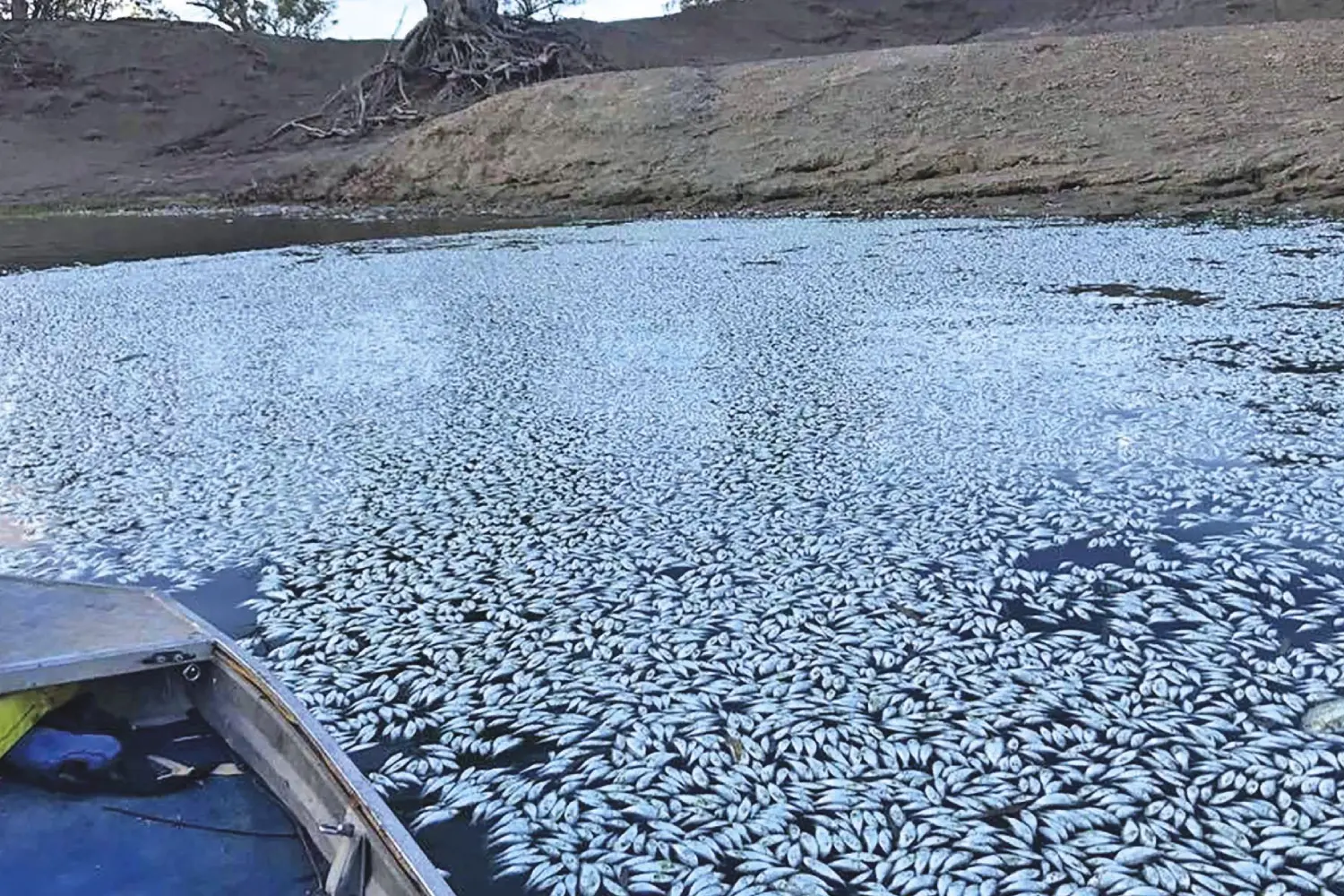
Political responses have been swift but polarised. The federal Water Minister described the images from Menindee as heartbreaking and promised to expedite the Murray-Darling Basin Plan’s outstanding water recovery targets, while state counterparts faced criticism from irrigator groups who argued that taking more water from agriculture would devastate regional economies without guaranteeing environmental outcomes. Accusations of mismanagement flew between upstream and downstream states, and the Basin Plan, already years behind schedule, came under renewed pressure from all sides. Scientists were called to provide emergency briefings, with many repeating their longstanding call for more transparent and timely water accounting.
Advertisement
For local communities, the fish kill is more than an environmental headline. Tourism operators who run charter boats and fishing tours reported a wave of cancellations, unsure when the river would recover its appeal. Aboriginal elders spoke quietly of a deep, cumulative sorrow, watching a living system that has sustained their culture for millennia degrade before their eyes. School groups that once visited the river to learn about native species now encounter lessons in ecological decline, and the psychological toll on children who have seen two major kills in a few short years is itself becoming a concern for health services.
Investigations by the Inspector-General of Water Compliance are underway, with a focus on whether state governments complied with their obligations under the Water Act. Environmental legal centres are preparing potential challenges, arguing that the failure to maintain adequate environmental flows represents a breach of the public trust. In the meantime, river communities wonder whether the political will exists to make the hard choices that would give the Darling a genuine chance to heal, or whether they will again find themselves counting dead fish when the next hot, still summer arrives.