Home Breaking News
Category:

Breaking News

Advertisement

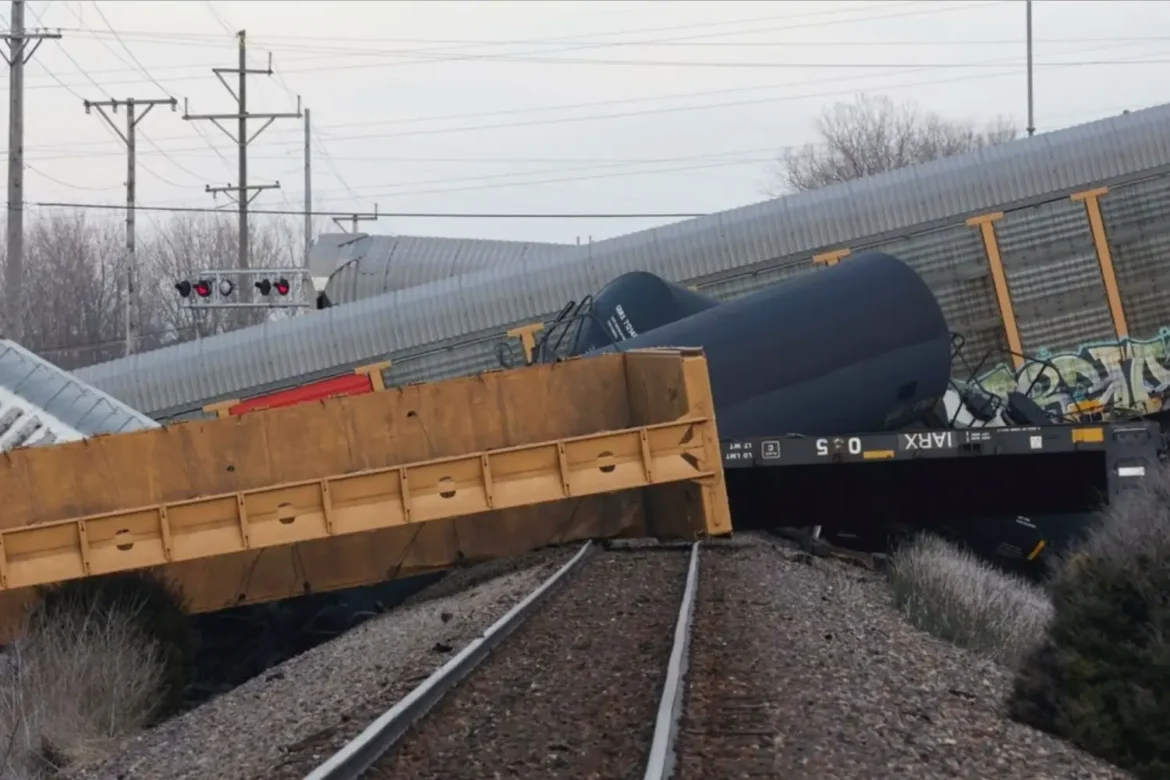
The derailment of a long-haul freight train on the vital east-west rail corridor near Broken Hill has thrown national supply chains into turmoil, stranding millions of dollars’ worth of goods and forcing logistics companies to scramble for road alternatives. In the early hours of the morning, approximately thirty wagons left the tracks, some spilling containers of consumer electronics, mining equipment and food products across a remote stretch of line. No injuries were reported, but the damage to track infrastructure was extensive, with several hundred metres of rail twisted and signalling systems destroyed. The Australian Rail Track Corporation immediately suspended all services on the line, warning that the repair effort could take weeks.

The incident severed the primary rail link between Sydney and Perth at a time when demand for freight capacity was already under pressure from a surge in online retail orders and a bumper grain harvest moving toward port. Major retailers reported delays in restocking shelves with imported goods, while mining companies that depend on just-in-time delivery of heavy machinery components faced costly downtime. The national freight industry, still adjusting to disruptions caused by recent floods and labour shortages, described the derailment as a severe shock that highlighted the fragility of land-based transport corridors.

Investigators from the Australian Transport Safety Bureau arrived at the scene within a day, deploying drones to map the wreckage and recovering data loggers from the locomotive. Early assessments focused on the condition of the track and whether the extreme heat in the preceding days had caused a buckle, a known risk for continuously welded rail in outback conditions. Fatigue management of the train crew and the loading configuration of containers were also under scrutiny, as slight imbalances can amplify forces during long journeys across uneven terrain. The investigation will ultimately inform recommendations that could reshape how freight operators manage speed, tonnage and track monitoring on remote routes.
Pages: 1 2

Advertisement

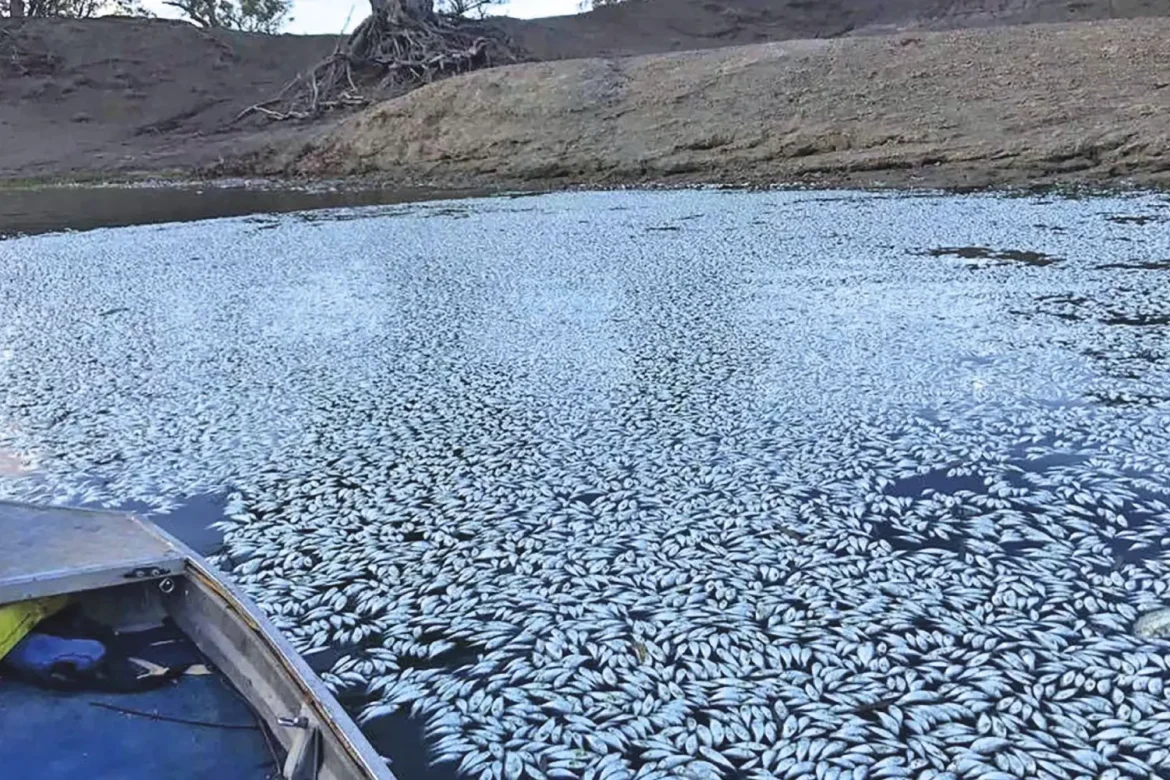
Stretches of the Darling River near Menindee have once again become the scene of ecological disaster, as millions of native fish carcasses floated to the surface following a sudden drop in dissolved oxygen levels. The event, which unfolded over a forty-eight-hour period, is among the most severe fish kills recorded in the basin and has reignited a fierce political and scientific debate about water management. Preliminary testing by the New South Wales Environment Protection Authority pointed to a combination of low inflows, high nutrient concentrations and a heatwave that rapidly warmed stagnant water, triggering an algal bloom that collapsed overnight and stripped oxygen from the water column. For local Barkandji people, the sight of sacred Murray cod and golden perch lining the banks was profoundly distressing, compounding grief over previous mass deaths in the same region.

State and federal officials scrambled to deploy aerators and release environmental water allocations in a bid to save remaining fish populations, but many scientists cautioned that these were short-term measures unable to address the structural decline of the river system. Water quality sensors showed that some sections of the river had effectively become dead zones, with oxygen saturations falling below one per cent. The scale of the kill overwhelmed clean-up crews, and residents reported an overwhelming stench that forced some families to temporarily leave their homes. Public health warnings were issued advising against contact with the water and consumption of fish from the affected area.

The root causes stretch back decades. Overallocation of water licences, combined with persistent drought conditions in the northern basin and reduced inflows from Queensland, has meant that the river’s flow is frequently insufficient to dilute nutrient runoff from agriculture. Blue-green algae, fed by excessive phosphorus and nitrogen, thrives under these conditions, creating a boom-and-bust cycle that can suffocate aquatic life when blooms die. Ecologists have warned that regular fish kills are a symptom of a system pushed beyond its resilience threshold, with implications not only for biodiversity but also for the towns and Indigenous communities whose cultural and economic lives are tied to the health of the river.

Pages: 1 2

Advertisement

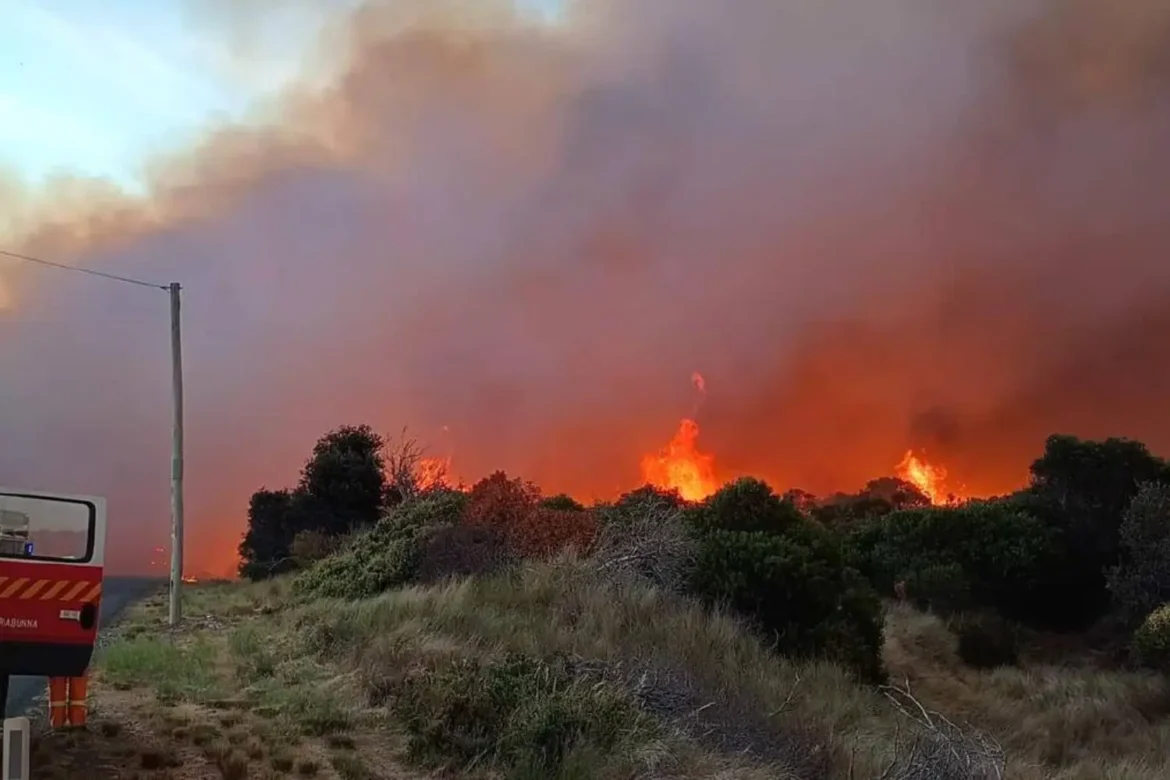
A blistering heatwave stretching from inland Western Australia through to western Victoria has pushed fire danger ratings to catastrophic levels, triggering emergency declarations across multiple states. Temperatures soared past forty-five degrees Celsius in several regional centres, with the town of Marble Bar approaching its own extreme records. The combination of fierce northerly winds, single-digit humidity and an abundant fuel load from two years of above-average rainfall created conditions that fire authorities described as among the most dangerous in recent memory. By mid-afternoon, multiple bushfires were burning out of control, some generating pyrocumulonimbus clouds that produced their own erratic weather and dry lightning strikes far ahead of the main fire fronts.

Thousands of residents in high-risk areas were told to leave well before the flames arrived, with emergency alerts broadcast in multiple languages through the national telephone warning system. Evacuation centres opened in school halls and showgrounds, staffed by volunteers from relief organisations who set up bedding, animal shelters and first-aid stations. In the Grampians region, a fast-moving fire destroyed several homes and shearing sheds, while in the wheatbelt area of Western Australia, a vast blaze consumed more than one hundred thousand hectares of cropping land and bush. Firefighters from interstate and New Zealand were placed on standby, ready to fly in as the situation escalated.

The health consequences of the heatwave added a parallel layer of crisis. Ambulance services reported a surge in call-outs for heat stress, particularly among older people and outdoor workers. Hospitals activated their heatwave protocols, opening cool wards and delaying non-urgent surgeries to keep capacity free. Public health officials urged people to check on elderly neighbours and to never leave children or pets in parked vehicles, reinforcing messages that have become depressingly routine parts of the Australian summer. The physical strain on frontline workers, many of whom were fighting fires while dealing with their own families’ evacuations, prompted renewed discussion about the sustainability of the largely volunteer-based rural firefighting model.

Pages: 1 2

Advertisement

A cascading technology failure swept through Australia’s financial and travel sectors on a busy weekday morning, leaving millions unable to access bank accounts, complete payments or check in for flights. The root of the disruption was traced to a flawed software update pushed by a global cybersecurity provider that inadvertently conflicted with widely used cloud infrastructure. Systems across the big four banks, major airlines and retail payment networks went dark almost simultaneously, triggering chaotic scenes in shopping centres and airports. Customers at supermarket checkouts watched contactless payments fail repeatedly, while ATMs displayed error messages and banking apps remained frozen on loading screens.

The fallout at capital city airports was immediate and severe. Qantas and Virgin Australia grounded flights as check-in kiosks and baggage systems became inoperable, while Jetstar passengers queued for hours as ground staff resorted to manual processing. The outage exposed the deep dependency that critical infrastructure now has on a handful of technology platforms, raising urgent questions about systemic fragility. Airline chief executives issued apologies but stressed that the root cause lay outside their own networks, a defence that did little to soothe frustrated holidaymakers and business travellers facing indefinite delays.

Behind the scenes, crisis teams from affected corporations worked through the night with the software vendor to isolate the defective code and deploy a remediation patch. However, because the update had disabled the very systems needed to install a fix remotely, many servers required manual intervention by technicians physically present in data centres. This labour-intensive recovery process extended the outage far beyond what most contingency plans had anticipated. Cyber security experts noted that the incident was not a malicious attack but that it demonstrated an alarming single point of failure in global digital supply chains, a vulnerability that hostile actors could seek to exploit if left unaddressed.

Pages: 1 2

Advertisement

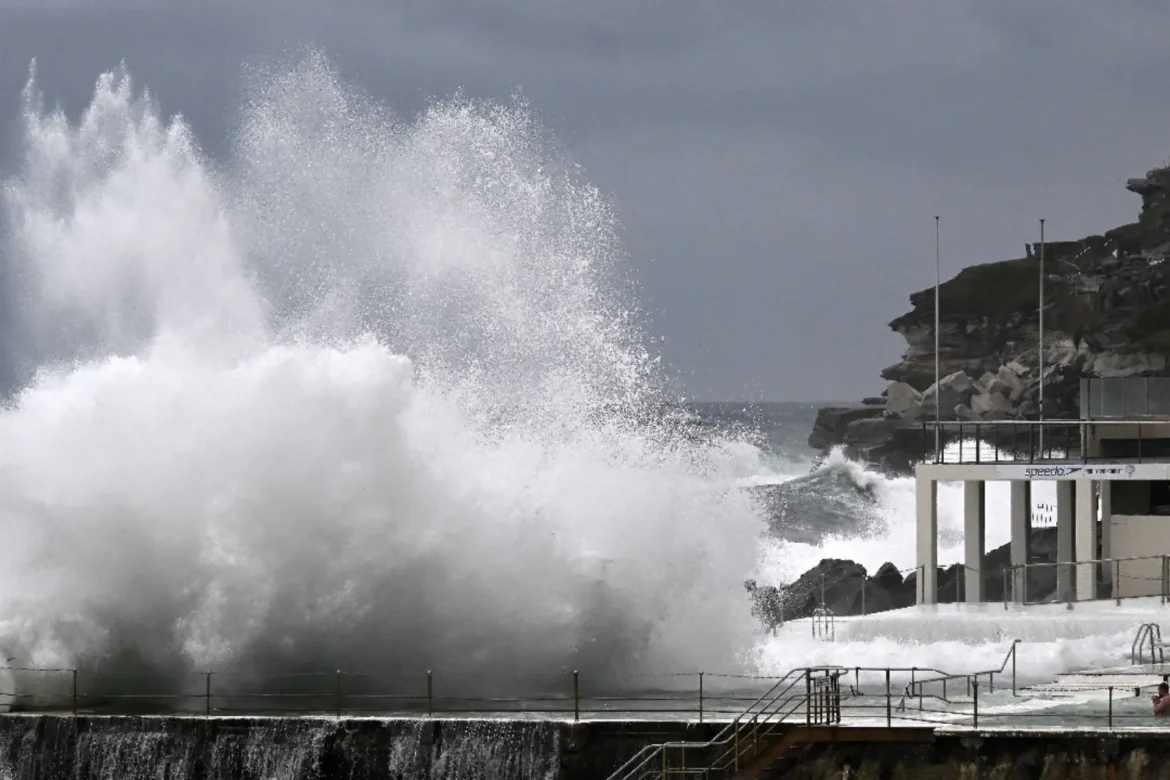
A powerful low-pressure system has battered eastern Australia’s coastline, bringing destructive winds, torrential rain and widespread flooding to communities from northern New South Wales to south-east Queensland. The Bureau of Meteorology issued multiple severe weather warnings as the system intensified overnight, catching many residents off guard despite days of forecasts. Emergency services received thousands of calls for help as flash flooding inundated homes, cut major roads and forced evacuations in low-lying suburbs. The storm’s rapid development was fuelled by unusually warm ocean temperatures, a pattern that climate researchers have been monitoring with growing concern. As dawn broke, the scale of the damage became apparent, with entire streets submerged, cars swept away and power lines brought down by falling trees.

Local authorities activated disaster coordination centres and urged people in affected zones to avoid non-essential travel. The State Emergency Service deployed swift-water rescue teams to several sites where residents had become trapped in rising floodwaters, including a retirement village in Lismore that was evacuated by boat. The defence force was placed on standby to assist with logistics and clean-up efforts. In Byron Bay, the main beach car park collapsed into the ocean as powerful swells eroded the shoreline, a stark reminder of the ongoing coastal vulnerability faced by many tourist towns. Mayor Sarah Connelly described the situation as one of the most challenging weather events in a decade, praising the community’s resilience but warning that the recovery would be lengthy.

Infrastructure damage snarled transport networks along the eastern seaboard. The Pacific Highway was severed in several places by landslides and fallen debris, leaving hundreds of truck drivers stranded at rest stops. Rail services between Brisbane and Sydney were suspended indefinitely while crews assessed track stability, and airports in Ballina and Coffs Harbour temporarily closed runways due to standing water. Insurers began tallying claims even before the skies cleared, with early estimates pointing to a damage bill exceeding two hundred million dollars. The Insurance Council of Australia highlighted that many affected households were in areas where flood cover had become prohibitively expensive, reigniting debate about the sustainability of the current insurance model for climate-exposed regions.

Pages: 1 2

Advertisement

Contact information

Fresh Life Easter Pty Ltd
3 Logan St, Canterbury VIC 3126, Australia
+61403787382
[email protected]

Disclaimer

The information provided on this website is for general informational and educational purposes only. All content is published in good faith and for general use, and we make no representations or warranties regarding the accuracy, adequacy, validity, reliability, or completeness of any information on the site.

All rights reserved © 2026