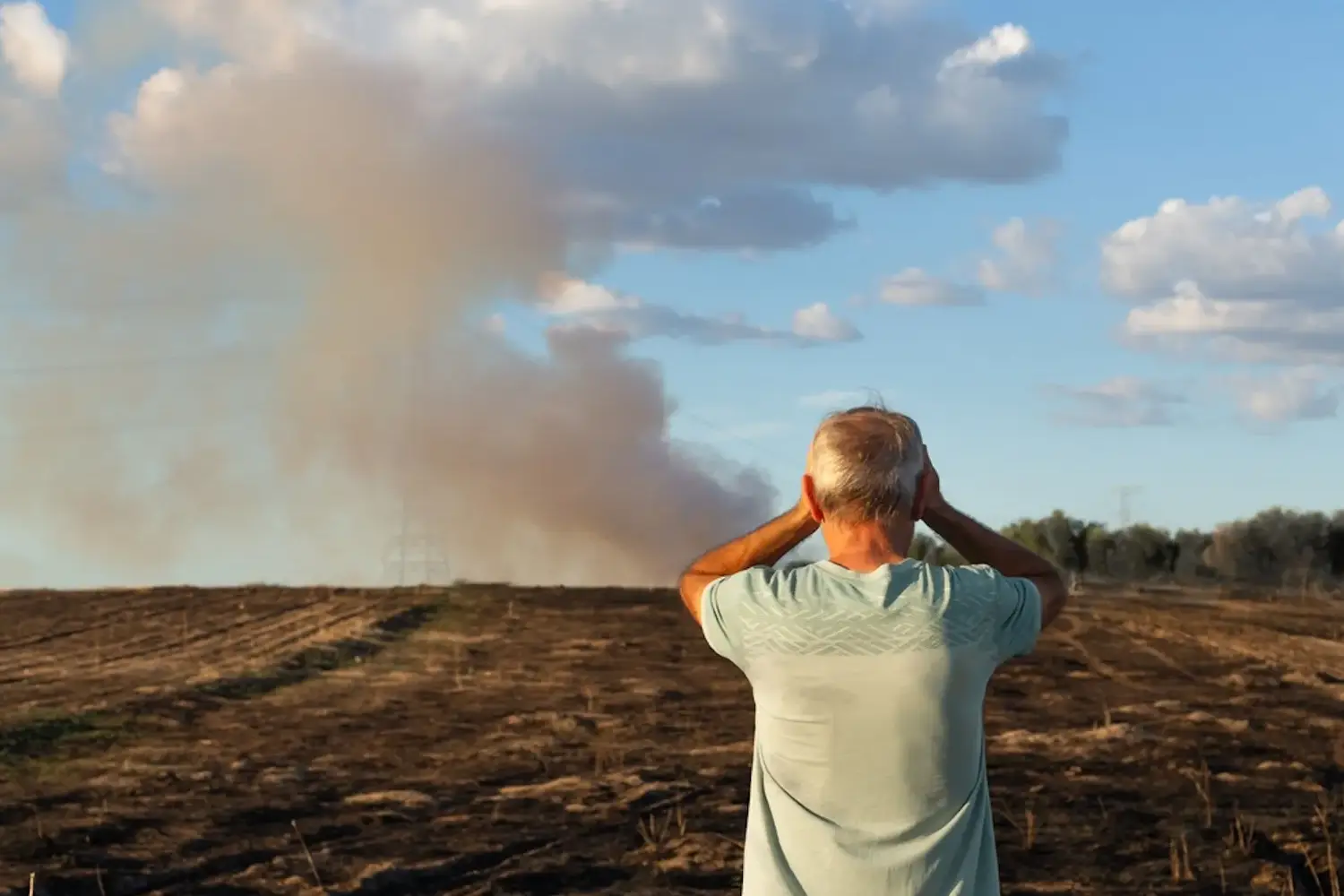
A growing body of Australian research is revealing that the health consequences of bushfire smoke extend far beyond acute respiratory irritation, potentially increasing the risk of cardiovascular events, adverse pregnancy outcomes and lasting lung damage in exposed populations. The findings, drawn from epidemiological studies following the catastrophic Black Summer fires and subsequent smaller events, are reshaping public health guidance and pushing authorities to invest in cleaner air refuges for vulnerable communities. The smell of smoke on the wind, once accepted as a feature of the Australian summer, is now understood as a significant public health threat that demands systematic rather than ad hoc responses.
Advertisement
The particulate matter in bushfire smoke, particularly fine particles known as PM2.5, penetrates deep into the lungs and can enter the bloodstream, triggering inflammatory responses that affect organs far beyond the respiratory system. Researchers at several Australian universities tracked ambulance call-outs and hospital admissions during smoky periods and found clear spikes in cardiac arrests and strokes, effects that were observable even at moderate smoke concentrations. The studies controlled for temperature and other confounders, strengthening the evidence that the smoke itself, rather than heat or stress, was driving the increase in acute health events.
Pregnant women and unborn children emerged as a particularly vulnerable group. Birth records analysed by a team of perinatal epidemiologists showed that women exposed to prolonged bushfire smoke during pregnancy were more likely to deliver babies with low birth weight, a finding that aligns with international research on air pollution more broadly. The biological pathways are thought to involve placental inflammation and reduced oxygen transfer, though the exact mechanisms continue to be investigated. The implications for maternal health policy are significant, with calls for targeted advice, access to air purifiers and consideration of evacuation options for pregnant women in high-risk regions during extended fire seasons.