Home Politics
Category:

Politics

Advertisement

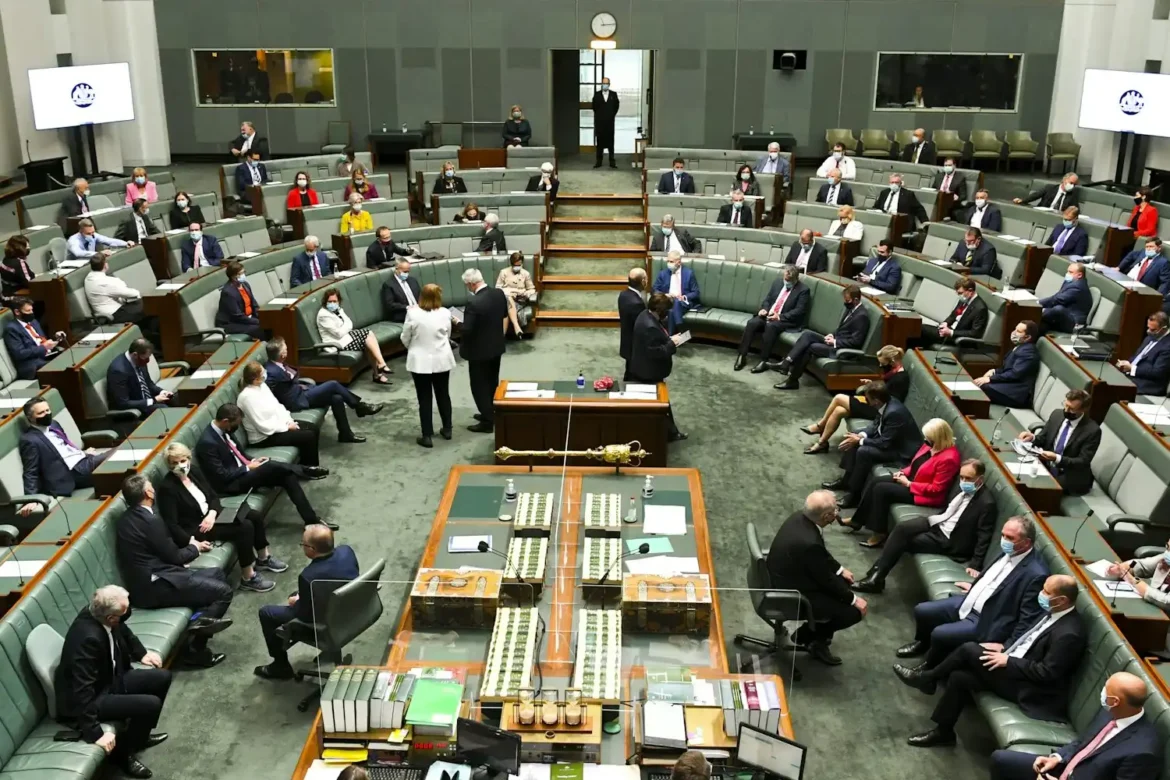
Pressure is mounting on the government to broaden the remit of the national integrity commission to include a comprehensive inquiry into the influence of political lobbying, as a series of media revelations has exposed the extent of informal access enjoyed by vested interests across the policy spectrum. Parliamentary debate has grown heated, with crossbench members accusing both major parties of sheltering behind procedural hurdles while public trust in democratic institutions continues to erode. The issue has moved from the margins of good-governance circles to mainstream political discourse, fuelled by a perception that decisions affecting the lives of ordinary Australians are being shaped in meeting rooms far from public view.

The revelations have been diverse. They include leaked diaries showing that a former minister met with representatives of a fossil fuel company on numerous occasions before approving a significant expansion project, as well as evidence that a property developer with close ties to a state government was privately consulted on planning legislation that subsequently benefited their business interests. None of the stories, taken in isolation, has breached current disclosure rules, but the cumulative picture has strengthened the argument that the existing regulatory framework is inadequate. Transparency advocates point out that the federal lobbying register captures only a fraction of the interactions that influence government decisions, and that the cooling-off periods for former ministers before they can take lobbying roles remain too short to prevent conflicts of interest.

The integrity commission, established after prolonged political negotiation, currently lacks the specific mandate to conduct a broad inquiry into lobbying unless it is linked to an allegation of corrupt conduct. The crossbench and civil society groups are calling for a legislative amendment that would allow the commission to examine systemic issues, including the revolving door between politics and industry, the use of unregistered in-house lobbyists, and the role of political donations in securing access. An independent review of the lobbying code of conduct, which was announced by the government in response to the pressure, has been criticised by some as an attempt to defer rather than address the problem, given its non-binding nature and lengthy timeline.
Pages: 1 2

Advertisement

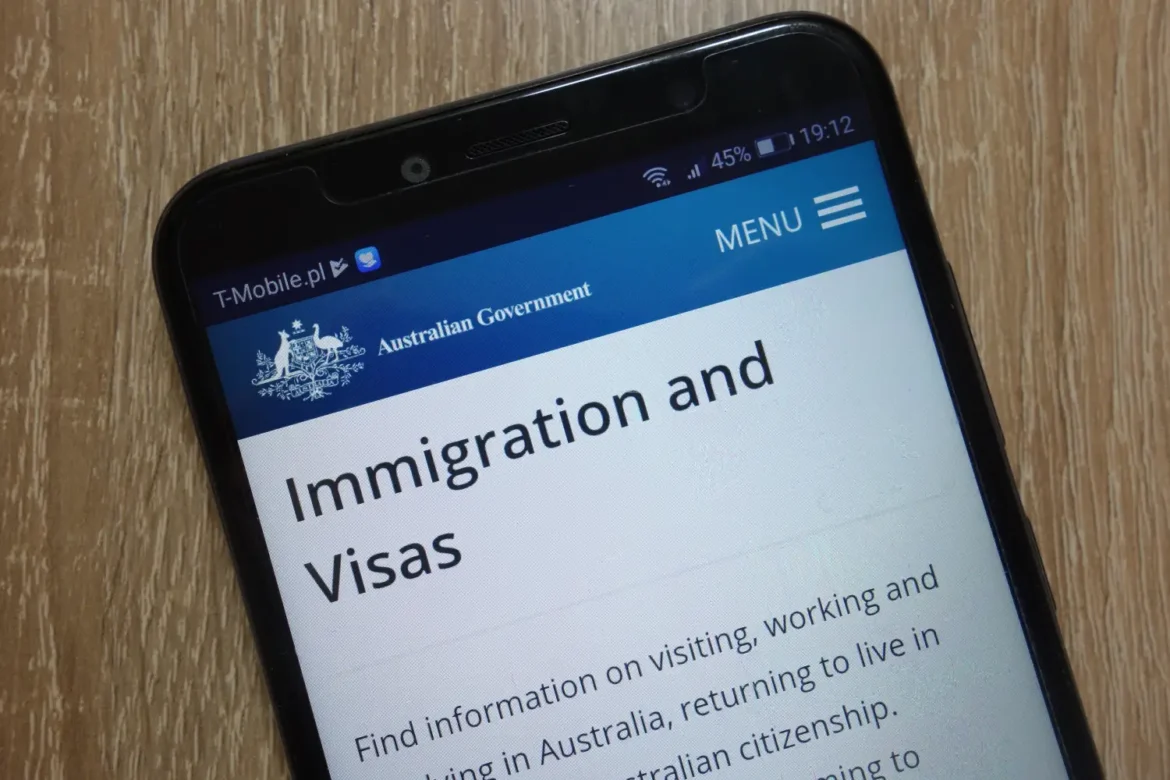
The federal government has unveiled a comprehensive review of the immigration system, signalling the most significant overhaul in decades as it seeks to align the intake of temporary and permanent migrants with acute labour shortages and long-term demographic needs. The proposal shifts the emphasis away from occupation lists that have historically dominated skilled migration toward a more flexible, data-driven model that assesses earning capacity, qualifications and the needs of specific regions. The review, commissioned in the wake of widespread workforce shortages after the pandemic, has ignited debate across business groups, unions and community organisations about the optimal size, composition and conditions of the migration program.

Central to the proposed reforms is a move to replace rigid skilled occupation lists with a points-based system that more directly links migration to labour market demand. Under the new model, points would be weighted heavily toward candidates with skills in sectors such as aged care, health, engineering and digital technology, with additional incentives for those willing to live and work in regional and remote areas. Business leaders have largely welcomed the direction, arguing that it would reduce the complexity and delays that currently frustrate employers trying to sponsor workers. The Australian Chamber of Commerce and Industry noted that the current system often rejects applicants whose skills are demonstrably needed simply because their specific job title does not appear on an outdated list.

Unions and community advocates, while not opposing skilled migration in principle, have raised concerns about worker protections and the risk of creating a two-tier labour market. They argue that a system heavily dependent on temporary visa holders can undermine wages and conditions for local workers if safeguards are not robust. The government has attempted to address these concerns by proposing a pathway to permanency for temporary skilled workers, a portable skills recognition framework and stronger enforcement powers for the Fair Work Ombudsman against exploitative employers. The balance between speed and fairness is delicate, and the details of legislative drafting will be scrutinised intensely by all parties.

Pages: 1 2

Advertisement

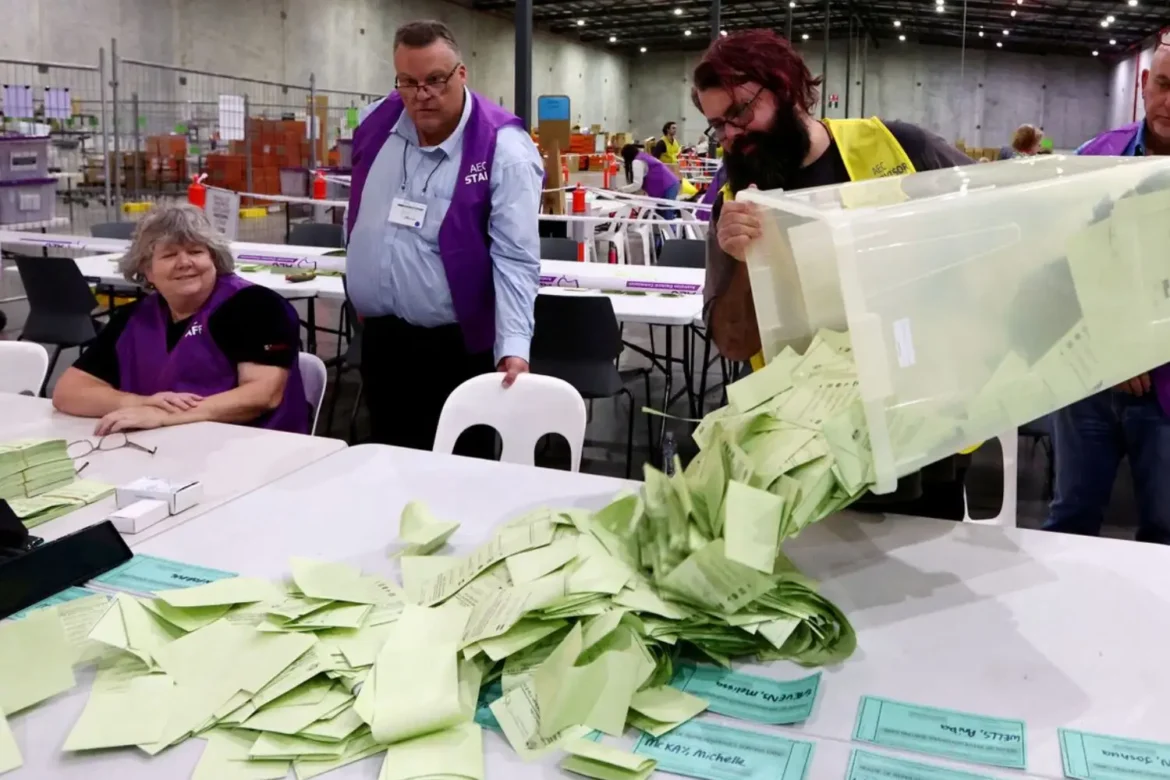
As multiple Australian states prepare to go to the polls, the campaign trails have converged around two dominant themes: the punishing squeeze of cost-of-living pressures on household budgets and the deteriorating state of public health systems. Candidates from all sides are finding that voters, regardless of their usual ideological leanings, are asking concrete questions about grocery bills, rent, energy prices and ambulance response times. The campaigns have taken on a notably pragmatic tone, with soaring rhetoric about national vision giving way to detailed, often competing, promises about immediate relief and service delivery, a reflection of an electorate that feels its living standards sliding backwards.

In the suburban and regional seats likely to determine the outcomes, the cost-of-living conversation has become intensely personal. Parents describe cutting back on children’s extracurricular activities, pensioners talk about skipping meals to afford medications, and young workers speak of the impossibility of ever saving a deposit. Parties are responding with a suite of proposals: upfront cash payments to concession card holders, caps on public transport fare increases, and expanded access to government-funded solar battery schemes that promise longer-term energy bill reductions. The electoral potency of these offers is being tracked through nightly focus groups, with strategists noting that credibility on household economics has become a threshold test that leaders must pass before voters will attend to other parts of their platforms.

Health is the other unignorable demand. Emergency department wait times, ambulance ramping and the difficulty of securing a bulk-billed general practitioner appointment have become visceral symbols of a system under acute strain. State governments, which carry primary responsibility for hospital management, are pointing to federal funding shortfalls while simultaneously announcing local initiatives: new urgent care clinics to divert patients from emergency departments, recruitment drives to attract overseas-trained nurses and doctors, and investments in virtual care platforms. The Opposition parties are targeting specific hospital catchments with pledges of new infrastructure and staffing ratios, and independent candidates are using health as their flagship issue to challenge incumbents in once-safe seats.

Pages: 1 2

Advertisement

Australia’s legislated emissions reduction targets have become the focus of intensifying political and scientific scrutiny, as the gap between ambition and implementation grows starker with each quarterly update. The country remains committed to a forty-three per cent cut in greenhouse gas emissions on 2005 levels by 2030, and net zero by 2050, but the pathway to achieving those goals is mired in disputes over the role of gas, the pace of renewable energy rollout, and the mechanisms chosen to decarbonise hard-to-abate sectors. With extreme weather events fresh in public memory and international pressure mounting ahead of the next global climate summit, the government is navigating a political minefield that cuts across traditional party lines.

Central to the tension is the safeguard mechanism, the policy designed to compel the nation’s largest industrial emitters to reduce their carbon footprint. The mechanism has been tightened, yet critics on both the left and right of the debate have found fault. Environmental groups and the Greens argue that the allowance of unlimited carbon offsets undermines the integrity of the system, while some resources sector figures and Coalition MPs claim the regulated baselines will drive investment offshore without reducing global emissions. The government has defended the mechanism as a pragmatic middle path that protects export industries while bending the emissions curve, but the data on whether it is delivering genuine abatement remains contested.

The energy grid is the most visible arena of climate policy implementation. The rapid uptake of rooftop solar and the advance of utility-scale wind and solar farms have been an Australian success story, yet the grid’s stability is increasingly tested by the retirement of ageing coal-fired power stations that have provided baseload power for decades. The Australian Energy Market Operator’s warnings of potential supply shortfalls during peak demand periods have been weaponised in the political debate, with proponents of a slower transition pointing to reliability risks and opponents of fossil fuels arguing that underinvestment in storage and transmission is the real culprit. Community opposition to transmission lines in rural areas has added a layer of complexity, testing the social licence required for the energy transformation.

Pages: 1 2

Advertisement

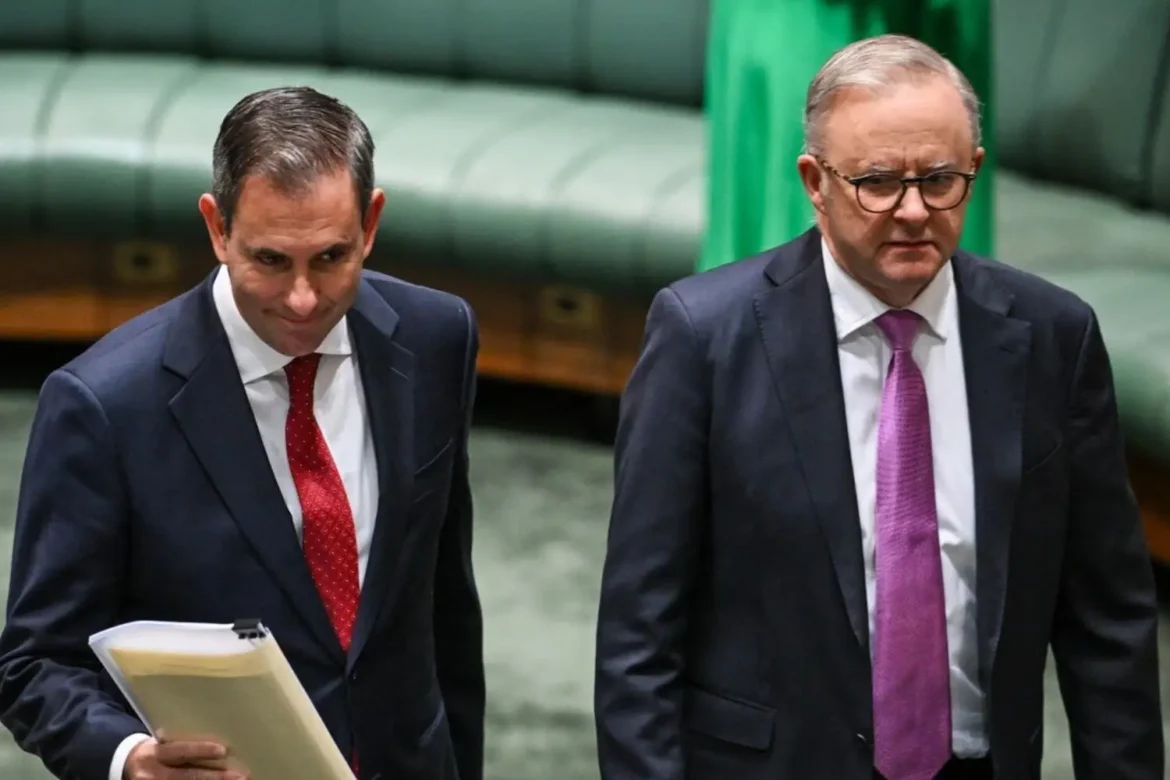
The federal government has handed down a budget that returns the nation’s finances to surplus for the first time in a decade and a half, a milestone achieved through a combination of strong commodity prices, a tight labour market boosting tax receipts and deliberate spending restraint. The Treasurer declared the surplus a responsible buffer against global economic uncertainty, positioning it as a shield rather than a trophy. Yet the immediate political contest centred not on the bottom-line number but on the choices embedded in the expenditure columns, where community services, health and education advocates pointed to what they described as missed opportunities to repair a fraying social fabric.

The budget’s structural detail reveals a careful balancing act. Near-term cost-of-living relief was delivered through increased rental assistance, cheaper medicines and energy bill rebates, targeted measures designed to take the edge off inflation without adding to it. Long-term investments included a significant allocation to skills and training, a down payment on the transformation of the electricity grid, and a modest boost to defence spending in line with the strategic review. The surplus itself was largely a product of upward revisions to revenue rather than deep expenditure cuts, a fact that the Opposition seized upon to argue that the government was benefiting from temporary factors while failing to exercise genuine fiscal discipline.

The health portfolio emerged as one of the most contested battlegrounds. While the budget contained funding to strengthen Medicare, including incentives for general practitioners to bulk-bill certain cohorts, peak medical bodies argued that the measures fell short of the systemic overhaul required to address hospital ramping, workforce burnout and the growing burden of chronic disease. State premiers, facing their own budgetary pressures, warned that without a substantial uplift in the federal share of hospital funding, emergency departments would continue to buckle. The shadow health minister described the package as a patch-up job that would not prevent patients from delaying care because of cost.

Pages: 1 2

Advertisement

Contact information

Fresh Life Easter Pty Ltd
3 Logan St, Canterbury VIC 3126, Australia
+61403787382
[email protected]

Disclaimer

The information provided on this website is for general informational and educational purposes only. All content is published in good faith and for general use, and we make no representations or warranties regarding the accuracy, adequacy, validity, reliability, or completeness of any information on the site.

All rights reserved © 2026