Home Health
Category:

Health

Advertisement

A quiet but significant shift is occurring in the way chronic health conditions are managed in Australia, with structured, supervised exercise programs moving from the margins of treatment to a central role in care plans for conditions such as type 2 diabetes, osteoarthritis, heart disease and depression. Accredited exercise physiologists, physiotherapists and specially trained fitness professionals are working alongside general practitioners and specialists to design individualised movement prescriptions that address the specific pathophysiology of each condition while respecting the person’s capabilities and preferences. The growth of these programs reflects both accumulating scientific evidence and a cultural change in how patients and clinicians think about the medicine of movement.

The rationale is grounded in a substantial body of research. For individuals with type 2 diabetes, appropriately prescribed exercise improves insulin sensitivity and glycaemic control, often reducing the need for medication escalation. People with knee and hip osteoarthritis experience reductions in pain and improvements in function that rival or exceed those achieved through common surgical interventions, without the associated risks. Cardiac rehabilitation programs built around progressive exercise are among the most cost-effective interventions in the entire health system, substantially lowering the risk of subsequent heart attacks. For those living with depression, the psychological benefits of regular, supported physical activity are well documented, with some studies suggesting effects comparable to those of antidepressant medication for mild to moderate cases.

The programs are not about generic advice to take a walk. They involve careful assessment of baseline function, consideration of any contraindications, and graduated progression monitored by qualified professionals. A person with heart failure, for instance, begins with very gentle activity within a safe range of cardiovascular response, building endurance over many weeks in a controlled environment. An older adult at risk of falls works through balance and strength exercises that target the specific deficits identified in an initial assessment. This individualised, dose-measured approach is what distinguishes therapeutic exercise from general fitness advice and what allows it to be safely integrated into the management of complex, multi-morbid patients.


Pages: 1 2

Advertisement

The aged care sector in Australia is confronting a workforce crisis that, despite significant new government funding and regulatory changes flowing from the Royal Commission, continues to erode the quality and reliability of care. Providers report chronic shortages of registered nurses, enrolled nurses and personal care workers, with some residential facilities operating at staffing levels that make it impossible to meet the new mandated care minutes without relying on agency staff and overtime. The situation is most acute in regional and remote areas, where recruitment difficulties are compounded by a lack of affordable housing and limited opportunities for workers’ partners and families.

The roots of the workforce shortage run deep. Wages in the care sector have historically lagged behind those in hospitals and other health settings, in large part because aged care work has been undervalued as an extension of unpaid domestic and caring labour traditionally performed by women. The Fair Work Commission’s decision to award a significant wage increase to aged care workers was a landmark moment, but the sector is still grappling with the implementation and funding of that increase, and the gap with acute care wages remains. Many workers who left the profession during the pandemic never returned, having found less demanding and better-paid roles in retail, hospitality or disability support.

The quality consequences for residents are tangible. When staffing is inadequate, assistance with eating, bathing and mobility becomes rushed or delayed. The psychosocial care that gives life in a residential facility its dignity and warmth, conversation, music, time spent outdoors, is often the first thing to be sacrificed when rosters are tight. Families report seeing a decline in their loved ones’ wellbeing that is not attributable to any single clinical failure but to a pervasive sense of neglect that gnaws at the spirit. The new quality standards, while strong on paper, are only as effective as the workforce available to implement them.

Pages: 1 2

Advertisement

The periodic revision of Australia’s dietary guidelines has become a lightning rod for competing scientific, commercial and cultural interests, with the spotlight this time falling squarely on the role of ultra-processed foods in the nation’s diet. The expert committee tasked with updating the guidelines is sifting through a vast and often contradictory body of evidence, attempting to weigh the convenience and affordability of packaged, industrially formulated products against mounting data linking high consumption of such foods to obesity, type 2 diabetes, cardiovascular disease and certain cancers. The outcome could influence everything from school canteen menus and hospital meal services to the information displayed on food packaging.

Ultra-processed foods, defined by the NOVA classification system as formulations of ingredients, many of which are not typically used in home kitchens, now account for more than forty per cent of the average Australian’s energy intake. Breakfast cereals, flavoured yoghurts, reconstituted meat products, frozen pizzas and sugary drinks are staples of shopping trolleys, and their share of the food supply has grown steadily over decades. Nutrition scientists argue that the problem is not simply the sugar, salt and fat content of these products but the displacement of minimally processed whole foods such as vegetables, legumes, fruits and wholegrains, and the cumulative effect of additives, altered food matrices and rapid energy intake on metabolic health.

The food industry has pushed back vigorously against the framing of ultra-processed foods as inherently harmful. Industry submissions to the guidelines review argue that the NOVA classification is overly broad and fails to distinguish between nutritious fortified products, such as high-fibre breakfast cereals and plant-based meat alternatives, and nutritionally poor confectionery and soft drinks. They contend that a focus on processing rather than nutrient composition risks confusing consumers and could stigmatise convenient, affordable products that help time-poor families put meals on the table. The scientific debate has become deeply technical, with epidemiologists presenting large cohort studies and industry commissioning counter-analyses that question the strength and independence of the associations.

Pages: 1 2

Advertisement

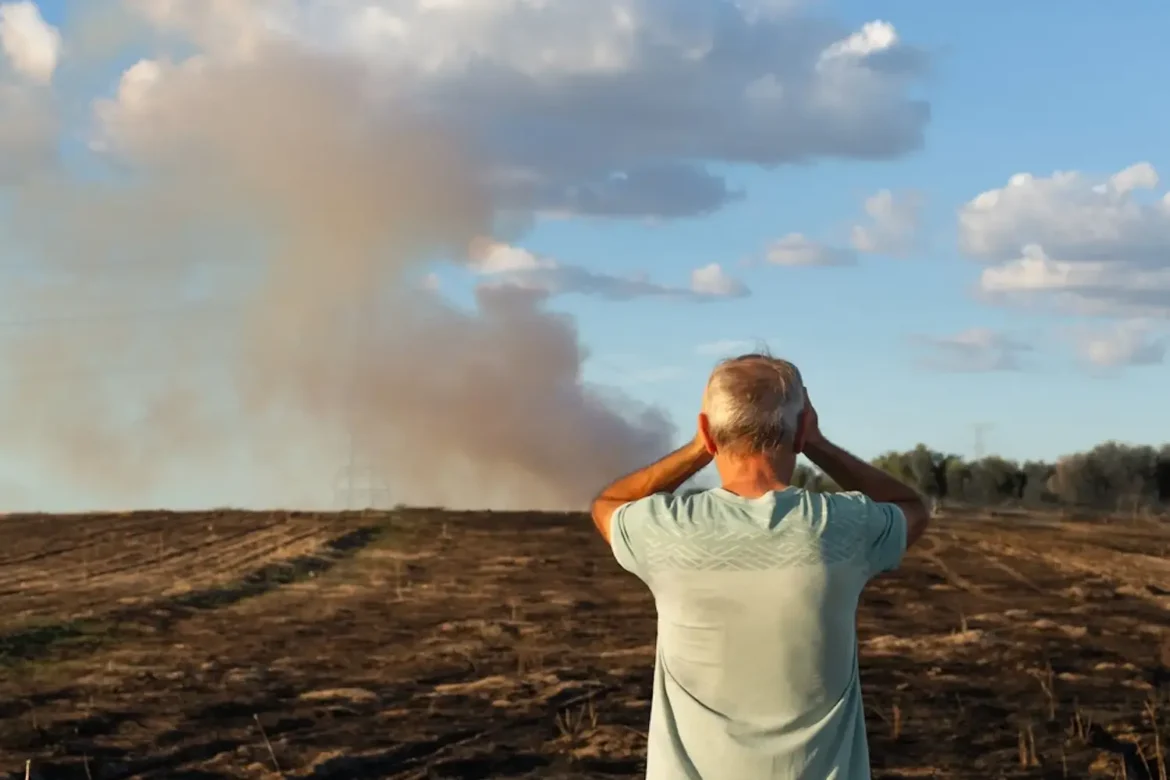
A growing body of Australian research is revealing that the health consequences of bushfire smoke extend far beyond acute respiratory irritation, potentially increasing the risk of cardiovascular events, adverse pregnancy outcomes and lasting lung damage in exposed populations. The findings, drawn from epidemiological studies following the catastrophic Black Summer fires and subsequent smaller events, are reshaping public health guidance and pushing authorities to invest in cleaner air refuges for vulnerable communities. The smell of smoke on the wind, once accepted as a feature of the Australian summer, is now understood as a significant public health threat that demands systematic rather than ad hoc responses.

The particulate matter in bushfire smoke, particularly fine particles known as PM2.5, penetrates deep into the lungs and can enter the bloodstream, triggering inflammatory responses that affect organs far beyond the respiratory system. Researchers at several Australian universities tracked ambulance call-outs and hospital admissions during smoky periods and found clear spikes in cardiac arrests and strokes, effects that were observable even at moderate smoke concentrations. The studies controlled for temperature and other confounders, strengthening the evidence that the smoke itself, rather than heat or stress, was driving the increase in acute health events.

Pregnant women and unborn children emerged as a particularly vulnerable group. Birth records analysed by a team of perinatal epidemiologists showed that women exposed to prolonged bushfire smoke during pregnancy were more likely to deliver babies with low birth weight, a finding that aligns with international research on air pollution more broadly. The biological pathways are thought to involve placental inflammation and reduced oxygen transfer, though the exact mechanisms continue to be investigated. The implications for maternal health policy are significant, with calls for targeted advice, access to air purifiers and consideration of evacuation options for pregnant women in high-risk regions during extended fire seasons.

Pages: 1 2

Advertisement

A quiet transformation is underway in the delivery of mental healthcare across regional and rural Australia, as a combination of government funding, telehealth innovation and grassroots community initiatives begins to close a gap that has long been a source of disadvantage and distress. The traditional picture of country mental health services has been one of chronic under-resourcing, long travel distances to see a psychologist, and a cultural reluctance to seek help that is compounded by a lack of privacy in small communities. While these challenges remain significant, a new mix of service models is showing that access, quality and cultural safety can be improved through persistent, locally tailored effort.

The backbone of the expansion is the steady rollout of headspace centres and satellite services in regional towns, complemented by an increase in Medicare-subsidised telehealth psychology sessions that were initially introduced as a pandemic measure and have since been made permanent. For a young person in a remote farming community who once faced a four-hour round trip to the nearest mental health clinic, the ability to speak with a clinician via a secure video link from a private room at the local school or community health centre is a genuine shift in life chances. Evidence suggests that early intervention for anxiety, depression and eating disorders is significantly more effective when barriers to access are lowered, and the expansion is targeting that critical window.

Crucially, the new services are not simply metropolitan models transplanted to the bush. Community-controlled Aboriginal health organisations are leading the way in designing culturally safe mental health care that integrates traditional healing practices with clinical approaches. In several regions, Elders work alongside psychologists and social workers, and the physical space of the clinic is designed to feel welcoming rather than clinical. The success of these programs, measured through engagement rates and client-reported outcomes, has attracted attention from health authorities in other countries grappling with similar challenges of service delivery to Indigenous populations.

Pages: 1 2

Advertisement

Contact information

Fresh Life Easter Pty Ltd
3 Logan St, Canterbury VIC 3126, Australia
+61403787382
[email protected]

Disclaimer

The information provided on this website is for general informational and educational purposes only. All content is published in good faith and for general use, and we make no representations or warranties regarding the accuracy, adequacy, validity, reliability, or completeness of any information on the site.

All rights reserved © 2026