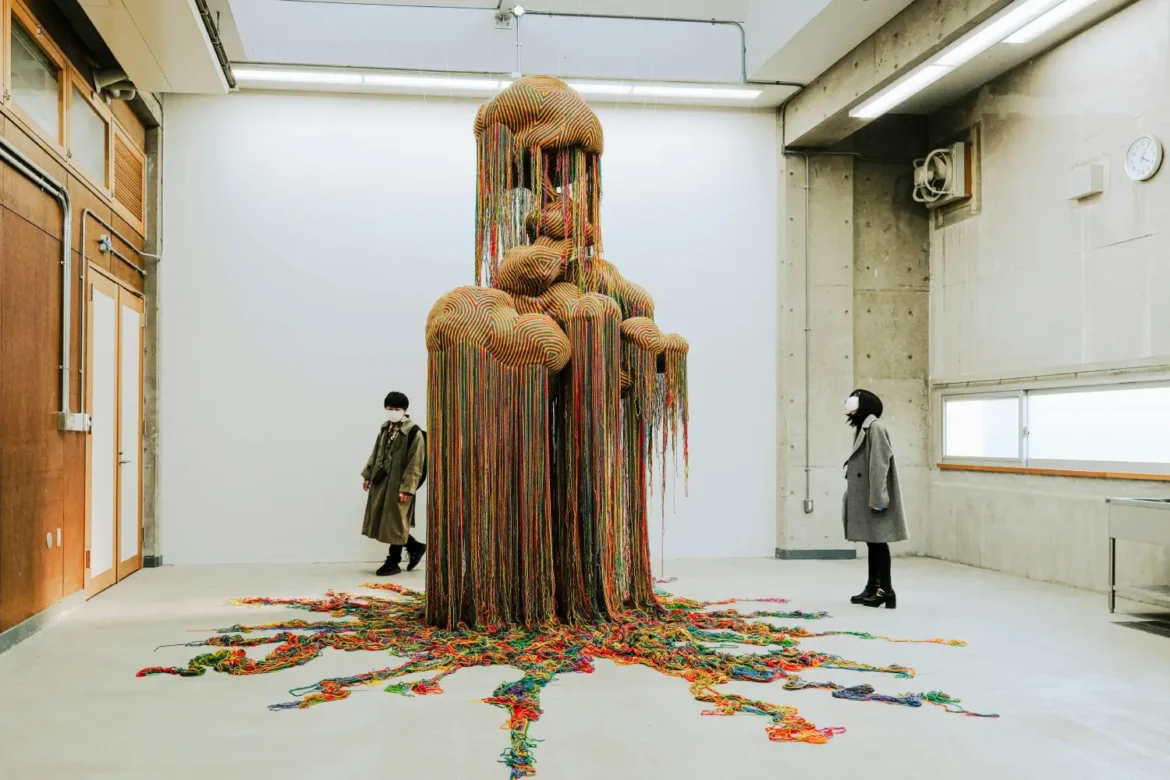
A contemporary Indigenous artist from a remote community in the Northern Territory will represent Australia at one of the world’s most prestigious visual arts biennales, a selection that has been hailed as a milestone for the recognition of First Nations art on the global stage. The artist, who works across painting, installation and digital media, draws on ancestral stories, local ecology and sharp political commentary about land rights and environmental stewardship. The biennale curators described the body of work as a profound, multi-sensory exploration of connection to country that challenges Western art hierarchies while inviting audiences into a different way of seeing the world.
The announcement triggered a wave of excitement within the Australian arts sector, tempered by reflection on the historical marginalisation of Indigenous voices in major international exhibitions. Senior curators noted that for decades, First Nations art was often displayed through ethnographic rather than contemporary art frameworks, a practice that the biennale selection explicitly rejects. The artist’s work is being presented not as an artefact of a static tradition but as urgent, evolving and dialogic, engaging with issues as diverse as mining, water rights and the intergenerational transmission of knowledge. The cultural significance of the selection extends beyond the individual creator to an entire community and knowledge system.
Preparations for the exhibition have been a community undertaking. Elders granted permission for certain stories to be shared in a public international context, while younger members of the community contributed to the production of materials and the documentation of processes. The artist has insisted that a delegation of community representatives travel to the opening, a condition negotiated with the funding bodies and the biennale organisers. This collaborative approach has sparked discussion within the arts industry about how institutions can better support collective authorship and cultural protocols without reducing them to bureaucratic checkboxes.