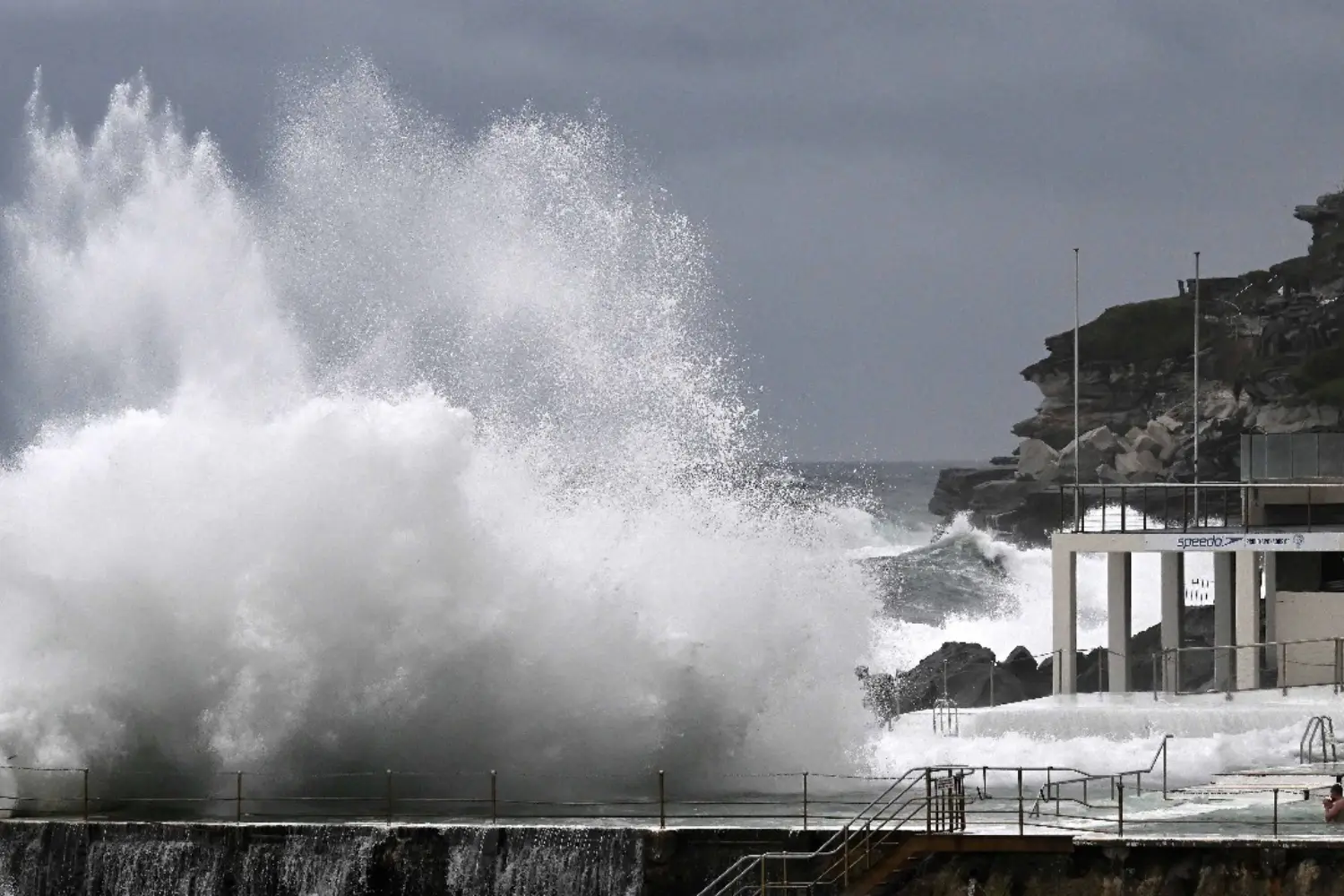
A powerful low-pressure system has battered eastern Australia’s coastline, bringing destructive winds, torrential rain and widespread flooding to communities from northern New South Wales to south-east Queensland. The Bureau of Meteorology issued multiple severe weather warnings as the system intensified overnight, catching many residents off guard despite days of forecasts. Emergency services received thousands of calls for help as flash flooding inundated homes, cut major roads and forced evacuations in low-lying suburbs. The storm’s rapid development was fuelled by unusually warm ocean temperatures, a pattern that climate researchers have been monitoring with growing concern. As dawn broke, the scale of the damage became apparent, with entire streets submerged, cars swept away and power lines brought down by falling trees.
Advertisement
Local authorities activated disaster coordination centres and urged people in affected zones to avoid non-essential travel. The State Emergency Service deployed swift-water rescue teams to several sites where residents had become trapped in rising floodwaters, including a retirement village in Lismore that was evacuated by boat. The defence force was placed on standby to assist with logistics and clean-up efforts. In Byron Bay, the main beach car park collapsed into the ocean as powerful swells eroded the shoreline, a stark reminder of the ongoing coastal vulnerability faced by many tourist towns. Mayor Sarah Connelly described the situation as one of the most challenging weather events in a decade, praising the community’s resilience but warning that the recovery would be lengthy.
Infrastructure damage snarled transport networks along the eastern seaboard. The Pacific Highway was severed in several places by landslides and fallen debris, leaving hundreds of truck drivers stranded at rest stops. Rail services between Brisbane and Sydney were suspended indefinitely while crews assessed track stability, and airports in Ballina and Coffs Harbour temporarily closed runways due to standing water. Insurers began tallying claims even before the skies cleared, with early estimates pointing to a damage bill exceeding two hundred million dollars. The Insurance Council of Australia highlighted that many affected households were in areas where flood cover had become prohibitively expensive, reigniting debate about the sustainability of the current insurance model for climate-exposed regions.