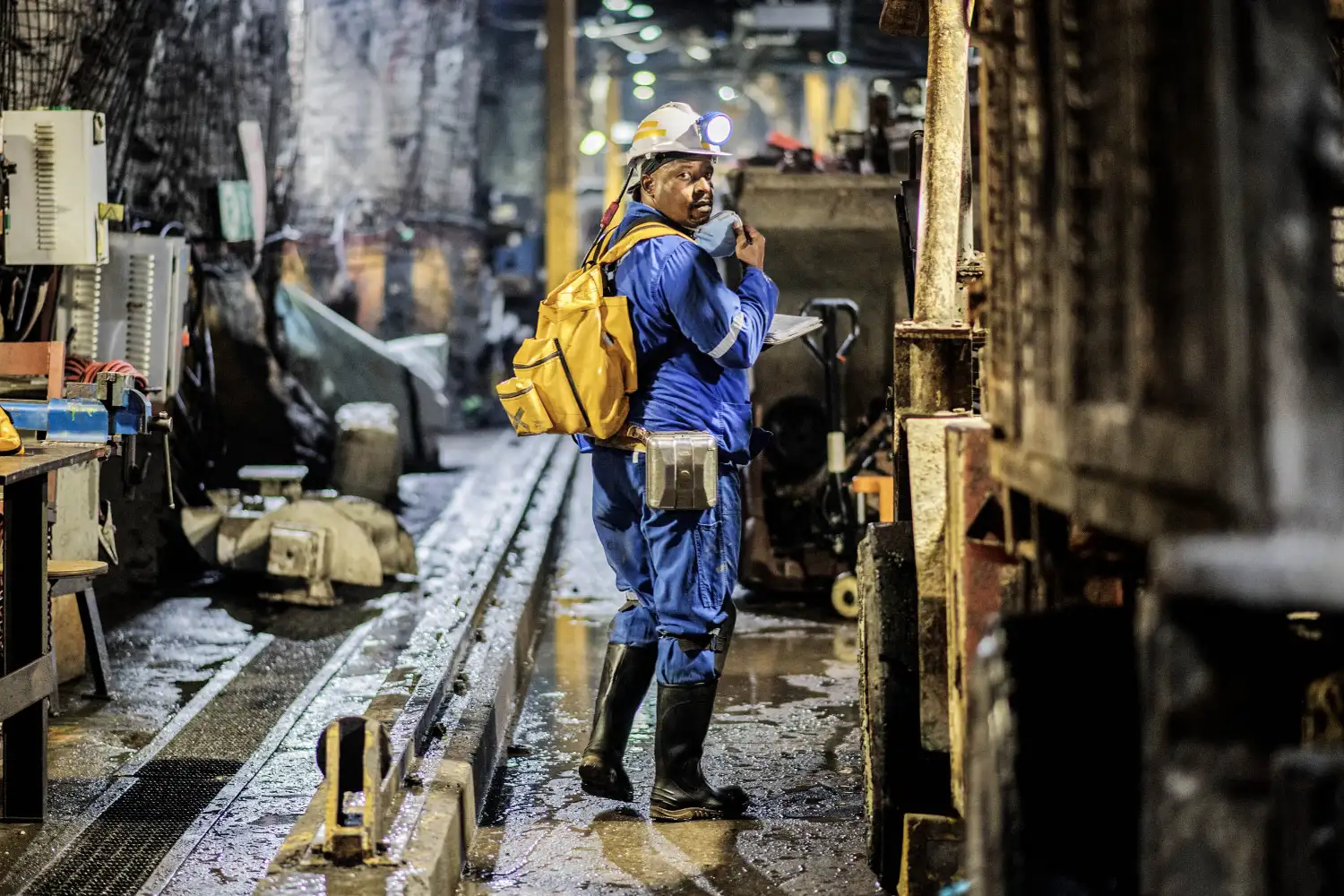
Industry bodies are responding with a combination of advocacy and program development. The Minerals Council of Australia has called for streamlined visa pathways and has partnered with TAFE colleges and universities to promote training in automation, data analytics and environmental management, skills that align with the sector’s long-term modernisation. Individual companies are investing in on-site childcare, improved camp facilities and mental health services as they seek to make remote work more attractive to a broader demographic, including women and Indigenous Australians who remain underrepresented in the workforce despite proximity to many mine sites.
Advertisement
The skills shortage is also accelerating the uptake of technology that can reduce labour dependency. Autonomous haul trucks, remote operations centres and AI-driven exploration tools are no longer futuristic experiments but operational necessities. While this transition raises its own questions about the future employment profile of the sector, many executives argue that automation will shift jobs toward higher-skilled, better-paid roles based in regional centres, potentially solving some of the lifestyle challenges that deter workers. The transition will require significant investment in retraining and careful management of community impacts in towns that have historically depended on direct mine employment.
As Australia positions itself as a reliable supplier of critical minerals essential for batteries, wind turbines and electric vehicles, the labour challenge takes on strategic dimensions. Competing jurisdictions such as Canada and Chile are also vying for investment in these supply chains, and a failure to resolve domestic workforce constraints could see capital and projects migrate elsewhere. The government’s recent release of a national skills priority list and the establishment of new training pathways through Jobs and Skills Australia are steps in the right direction, but the scale of the shortage demands faster and more coordinated action. In the red dust of the Pilbara and the underground tunnels of hard-rock mines, the sentiment is clear: the geology is generous, the markets are hungry, but the people needed to bridge the two are in painfully short supply.