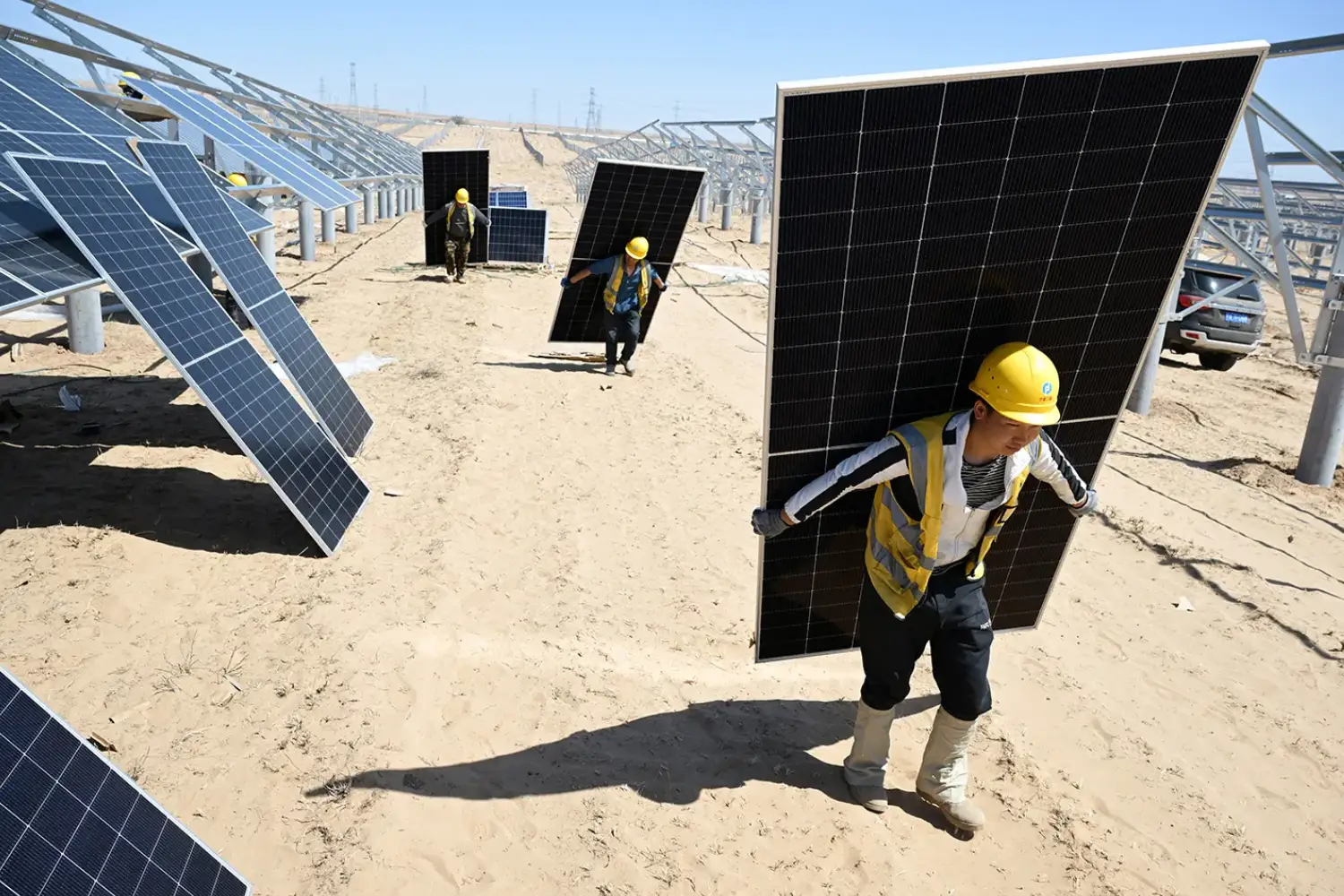
Australia’s renewable energy sector is experiencing a wave of investment that is transforming landscapes and regional economies, as wind farms, solar arrays and large-scale battery projects move from planning approvals to construction. The acceleration is driven by a confluence of state and federal policy mechanisms, corporate demand for clean power, and the sheer economics of technologies that have become the cheapest form of new electricity generation. From the wind-swept plains of western Victoria to the sun-drenched expanses of Queensland’s Western Downs, cranes and concrete pours are visible signals of an energy system in transition, even as debate continues over the pace, equity and infrastructure required to support it.
Advertisement
The total capacity under construction or committed reached a record high in the past financial year, according to the Clean Energy Council, with utility-scale solar and wind projects making up the bulk. Notably, the pipeline of battery energy storage systems designed to firm variable renewable output has also grown dramatically, with several projects reaching financial close. Institutional investors, including superannuation funds and offshore pension giants, are increasingly comfortable with the risk-return profile of Australian renewables, drawn by stable regulatory frameworks and long-term power purchase agreements with creditworthy counterparties such as data centre operators and manufacturing firms seeking to hedge against fossil fuel price volatility.
The benefits are flowing to regional communities that host the infrastructure. Landholders who host turbines or solar panels report a reliable income stream that smooths the peaks and troughs of agricultural earnings, allowing families to stay on the land and invest in soil health and on-farm improvements. Local governments are negotiating community benefit funds that channel developer contributions into sports facilities, libraries and scholarships. The construction phase alone brings hundreds of jobs to areas that have struggled with population decline, filling motels and cafes and providing apprenticeships that build skills transferable to future projects. However, not all community sentiment is positive, with some residents expressing concern about visual amenity, land-use conflict and the adequacy of consultation processes.