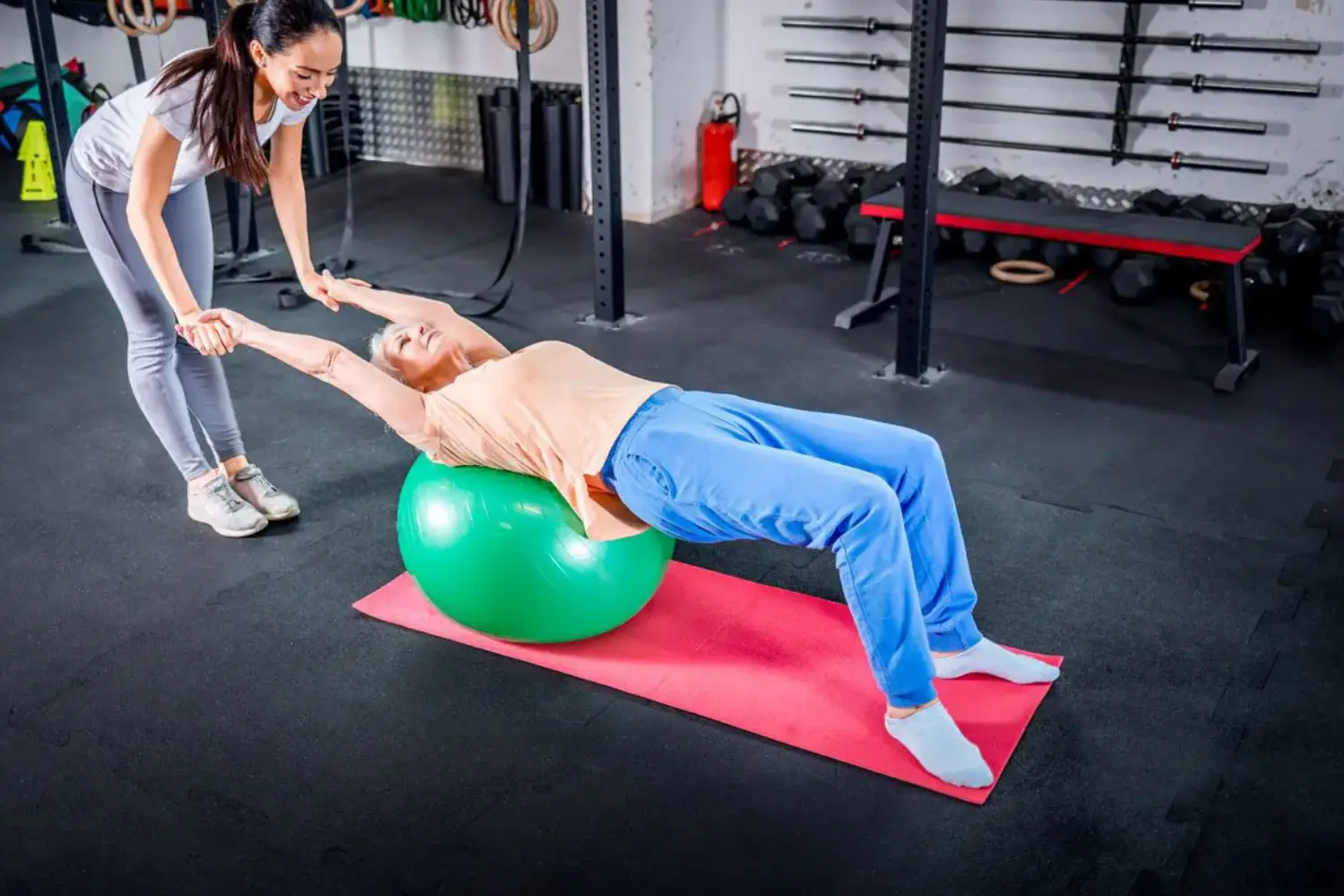
Medicare and private health insurance rebates for exercise physiology and physiotherapy sessions have supported the expansion, though advocacy groups argue that the current number of subsidised sessions per year is insufficient for many chronic conditions, particularly those requiring ongoing support. The Royal Australian College of General Practitioners has updated its guidelines to encourage GPs to refer eligible patients to these programs, and care plan templates now include a specific prompt for exercise recommendations. However, awareness among both clinicians and patients remains patchy, and there are often waiting lists for publicly funded programs in regional areas.
Advertisement
The effects extend beyond the strictly physiological. Participants in group-based programs often speak of the camaraderie and mutual encouragement that emerges, a social dimension that addresses the isolation frequently accompanying chronic illness. The sense of agency that comes from regaining physical capability, even in modest increments, can shift a person’s self-perception from passive patient to active participant in their own health. This psychological transformation is, in many ways, the most valuable outcome, because it builds a foundation for sustained lifestyle changes that endure long after the formal program ends. Health economists are beginning to model not just the direct healthcare savings but the productivity and quality-of-life gains that ripple through families and communities.
The integration of these programs into mainstream chronic disease management still faces barriers. They require a workforce that is adequately trained and distributed equitably across the country, a funding model that encourages long-term rather than episodic engagement, and a cultural shift within medicine that recognises movement as a therapeutic intervention with its own evidence base, complexities and professional standards. Yet the direction of travel is clear. Australia’s burden of chronic disease is heavy and growing, and the tools to lighten it include not only better drugs and surgeries but also the deliberate, skilled use of the human body’s capacity to move, adapt and heal. The programs gaining traction across the nation are a testament to that principle and a glimpse of a health system that treats people as whole beings rather than collections of diagnoses.