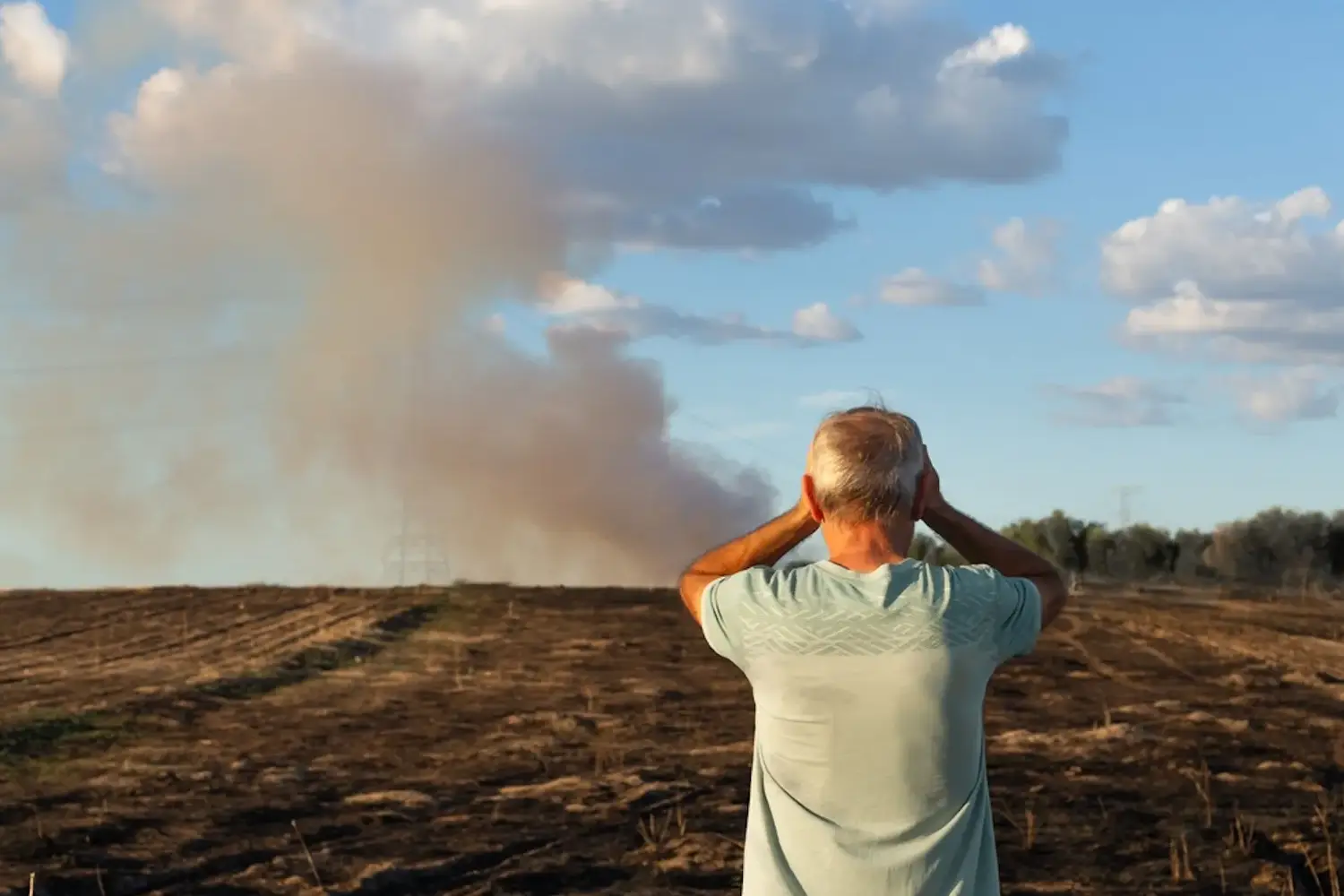
Children, too, face concerning long-term risks. Paediatric respiratory specialists in smoke-affected regions have reported an increase in the prevalence and severity of asthma among children who lived through intense smoke events. There is also emerging evidence that early-life exposure to high levels of fine particulate matter can affect lung development, leaving a lasting imprint on respiratory capacity into adolescence and adulthood. Schools are being urged to develop smoke protocols that go beyond cancelling outdoor sport and to invest in portable air cleaners, particularly in lower-socioeconomic areas where children are less likely to have access to filtered air at home.
Advertisement
The mental health burden of prolonged smoke exposure is an area of inquiry that is gaining attention. The weeks and months during which communities cannot escape the smell, the haze and the constant anxiety about fire threat create a unique form of environmental stress. Surveys conducted after severe smoke episodes documented elevated rates of psychological distress, sleep disturbance and feelings of helplessness. For communities already living with the trauma of fire threat, the smoke becomes a lingering sensory reminder that makes it difficult to process and recover from the event. Psychologists working in fire-prone areas are integrating smoke-specific coping strategies into their disaster resilience programs.
The research is filtering through to policy, albeit slowly. The national air quality standards are under review, with consideration being given to a specific bushfire smoke category that would trigger mandatory health warnings and the opening of clean-air shelters. Urban planners are starting to incorporate filtration systems into the design of community centres, libraries and schools in fire-prone regions. The challenge is one of scale and resource, because protecting entire populations from an intermittent but intense exposure requires infrastructure and protocols that are not yet in place. Science has illuminated the harm with growing precision; the next step is for public health systems to translate that knowledge into protection that is equitable, practical and ready before the next smoke blanket descends.